THE COMPTROLLER, THE BRIBES AND THE MIAMI REAL ESTATE

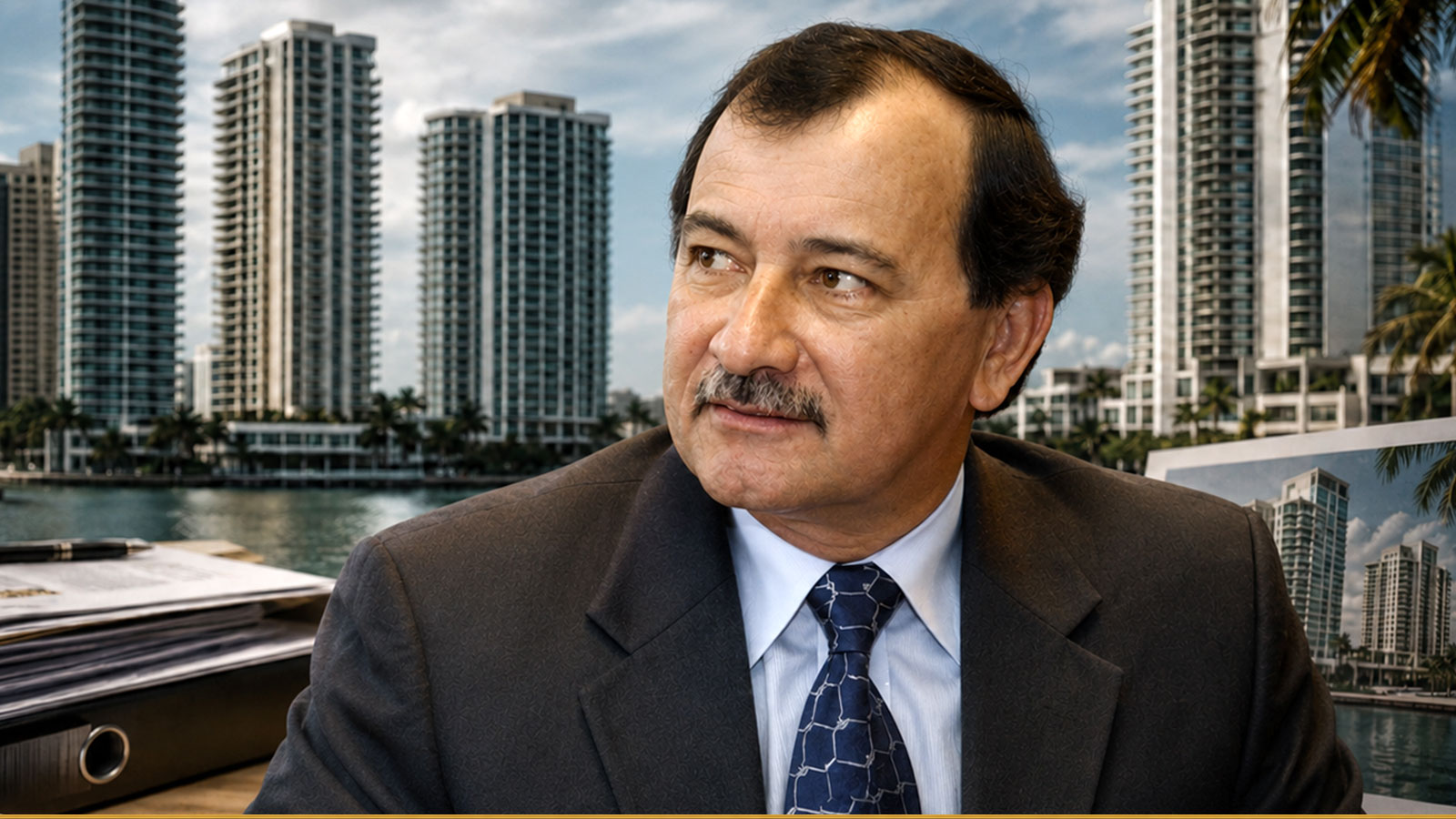
- On 1 October 2024, a federal judge in Miami sentenced former Ecuadorian Comptroller General Carlos Ramón Pólit Faggioni to 10 years in prison and ordered him to forfeit US$16.5 million.
- The underlying corruption story was a contradiction in institutional form.
- As Comptroller General, Pólit was responsible for protecting Ecuadorian public funds, identifying irregularities and imposing or sustaining financial penalties against contractors.
- A second bribery stream involved an Ecuadorian businessman and assistance connected to contracts with Seguros Sucre, Ecuador’s state-owned insurance company.
- The laundering architecture then moved the proceeds out of the political transaction and into ordinary-looking assets.
EXECUTIVE FINDING
On 1 October 2024, a federal judge in Miami sentenced former Ecuadorian Comptroller General Carlos Ramón Pólit Faggioni to 10 years in prison and ordered him to forfeit US$16.5 million.
The sentence followed his April 2024 jury conviction on one count of conspiracy to commit money laundering, three counts of concealment money laundering and two counts of engaging in transactions in criminally derived property.
The underlying corruption story was a contradiction in institutional form.
As Comptroller General, Pólit was responsible for protecting Ecuadorian public funds, identifying irregularities and imposing or sustaining financial penalties against contractors.
Instead, U.S. prosecutors proved that he solicited and received more than US$10 million in bribes from Odebrecht in exchange for removing fines and refraining from imposing additional fines on the Brazilian construction group’s projects in Ecuador.
A second bribery stream involved an Ecuadorian businessman and assistance connected to contracts with Seguros Sucre, Ecuador’s state-owned insurance company.
The laundering architecture then moved the proceeds out of the political transaction and into ordinary-looking assets.
Cash bribes were converted into transfers.
Panamanian intermediary accounts received Odebrecht payments.
Florida companies were registered in the names of friends and associates.
South Florida real estate was purchased and renovated.
Other businesses — including restaurants and a dry cleaner — became investment vehicles.
The money did not need to remain labelled 'bribe' for very long.
The laundering system’s purpose was to convert a corrupt payment into property, business equity and family wealth whose political origin was harder to see.
THE OFFICIAL WHO WAS SUPPOSED TO PROTECT PUBLIC MONEY SOLD THE POWER TO STOP PUNISHING THE COMPANY THAT PAID HIM.
The central Kleptik question is therefore:
WHEN THE ANTI-CORRUPTION WATCHDOG ITSELF BECOMES THE CORRUPTIBLE ASSET, WHO IS LEFT TO POLICE THE CONTRACTOR — AND WHO POLICES THE MONEY AFTER IT LEAVES THE COUNTRY?
THE FINDING
The Pólit case is both a bribery case and a laundering case.
The bribery generated the money.
The laundering generated the explanation.
One half took place in Ecuadorian public administration.
The other half took place through international finance and South Florida property.
ODEBRECHT / BUSINESS INTEREST
↓
BRIBE PAYMENT
↓
ECUADOR COMPTROLLER POWER
↓
FINES REMOVED / CONTRACT ADVANTAGE
↓
PANAMANIAN INTERMEDIARIES
↓
FLORIDA COMPANIES
↓
REAL ESTATE + BUSINESSES
↓
PRIVATE FAMILY WEALTH
CARLOS RAMÓN PÓLIT FAGGIONI
Pólit served as Comptroller General of Ecuador from 2007 until 2017.
The office is designed to protect public funds and audit government spending.
That made Pólit one of the highest-risk integrity gatekeepers in Ecuador.
THE WATCHDOG PROBLEM
Corruption inside an oversight institution has an outsized effect.
A corrupt contractor may exploit one project.
A corrupt comptroller can neutralise the institution meant to detect multiple projects.
ODEBRECHT
Odebrecht was the Brazilian construction conglomerate at the centre of the largest transnational bribery scandal in Latin America.
In 2016, the company pleaded guilty in the United States to a broad foreign-bribery conspiracy involving nearly US$800 million in corrupt payments across multiple countries, including Ecuador.
THE US$10 MILLION-PLUS BRIBERY STREAM
At trial, prosecutors proved that Pólit solicited and received more than US$10 million in bribes from Odebrecht between approximately 2010 and 2015.
The exchange was direct in economic purpose.
Odebrecht wanted relief from fines and protection from further financial penalties.
THE FINES
A fine is not merely a punishment.
It changes project economics.
Removing or avoiding large fines can be worth millions to a contractor.
That makes oversight discretion commercially valuable.
SELLING NON-ENFORCEMENT
The corrupt product was not a new government contract.
It was the absence of enforcement.
Sometimes the most valuable government decision is the decision not to act.
NEGATIVE REGULATORY VALUE
Licence not revoked.
fine not imposed.
audit not escalated.
case not referred.
These negative acts can be monetised as easily as approvals.
THE SECOND BRIBERY STREAM
The case also involved a bribe from an Ecuadorian businessman in connection with contracts involving Seguros Sucre, the state-owned insurance company.
That stream was analytically separate from the Odebrecht payments.
SEGUROS SUCRE
State-owned insurance can influence major infrastructure projects by placing coverage and related commissions.
A corrupt official who can influence those contracts creates another path for private enrichment.
THE COCA CODO SINCLAIR CONNECTION
Court records tied the insurance-contract bribery stream to the Coca Codo Sinclair project.
The laundering network expected to receive a share of commissions from the insurance placement.
THE US$1 MILLION COMMISSION BRIBE
Later charging records involving Pólit’s son described an agreement under which approximately US$1 million of a roughly US$2 million commission would be paid for the benefit of Carlos and John Pólit in exchange for influencing award of the insurance business.
Because that later plea occurred after this dossier’s archive date, Kleptik uses it only as corroborative background to the underlying scheme already proved against Carlos Pólit, not as a 1 October 2024 adjudication of John Pólit.
THE CASH-BRIBE PHASE
The Odebrecht payments initially included large cash bribes.
Cash created secrecy but also created a practical problem.
Large corrupt fortunes eventually need storage, investment or movement.
FROM CASH TO WIRE
By 2014, the scheme shifted toward wire transfers.
Odebrecht sought account instructions so bribe payments could move electronically.
That increased scale and efficiency.
THE PANAMANIAN INTERMEDIARIES
Court records described intermediary-company accounts in Panama used to receive millions of dollars in Odebrecht bribe payments.
The account structure created distance between the payer and the ultimate beneficiary.
PANAMA AS LAYER
The significance of Panama in the case was not nationality.
It was transactional function.
Accounts there received bribe funds before money moved onward to the United States.
CORRESPONDENT BANKING
International transfers involving Panamanian accounts cleared through U.S. correspondent banks.
That created a U.S. financial nexus and preserved records relevant to prosecution.
THE FLORIDA COMPANIES
Prosecutors proved that Florida companies were used to receive and hold proceeds.
Some were registered in the names of friends and associates, often without those people knowing the true criminal origin or beneficial purpose.
NOMINEE OWNERSHIP
A nominee can separate legal title from economic control.
The company looks owned by Person A.
The wealth may actually benefit Person B.
THE SON AS LAUNDERING NODE
The trial record showed that Pólit directed his son, John Christopher Pólit, to help make the proceeds 'disappear.'
The son’s banking and corporate role created a bridge between Ecuadorian corruption and U.S. investments.
FAMILY AS FINANCIAL INFRASTRUCTURE
High-level corruption often relies on trusted family members because they combine loyalty with access.
PEP risk therefore extends beyond the officeholder’s own bank account.
CASH BRIBE
↓
PANAMA ACCOUNT
↓
WIRE TRANSFER
↓
FLORIDA COMPANY
↓
REAL ESTATE / BUSINESS
↓
SALE / REFINANCING
↓
APPARENTLY LEGITIMATE PROCEEDS
THE SOUTH FLORIDA REAL-ESTATE ROUTE
Prosecutors proved that corrupt proceeds were used to purchase and renovate real estate in South Florida and elsewhere.
Property converted liquid bribery proceeds into tangible assets with legal title and potential appreciation.
REAL ESTATE AS INTEGRATION
Dirty money buys property.
Property earns rent or appreciates.
Property is sold.
The sale proceeds now have a cleaner documentary story.
THE CORAL GABLES RESIDENCE
Later court records described a luxury Coral Gables residence upgraded with proceeds from the bribery schemes and sold for approximately US$4.1 million in 2017.
The sale converted property value back into bankable proceeds.
THE ECUADOR APARTMENT
The laundering structure also included an apartment in Ecuador held through a Panamanian shell company.
That illustrates how the same network could move value in both directions across borders.
THE RESTAURANTS
Laundered funds were invested in restaurants.
Operating businesses can provide a plausible source of future revenue.
That makes them useful integration assets.
THE DRY CLEANER
The network also invested in a dry-cleaning business.
The irony is obvious, but the compliance point is serious.
Small operating businesses can absorb capital and later generate apparently ordinary income.
MONEY LAUNDERING AS PROVENANCE MANAGEMENT
The goal is not always to hide the asset.
It is to improve the story attached to it.
Bribe becomes company investment.
company investment becomes property.
property becomes sale proceeds.
THE 'DISAPPEAR' LANGUAGE
The prosecution’s description that Pólit wanted proceeds to 'disappear' captured the laundering objective.
The money remained economically available.
Its criminal origin became harder to trace.
THE FRIENDS-AND-ASSOCIATES VEHICLES
Companies registered in associates’ names created documentary separation.
Some associates may not have understood the full criminal purpose.
That distinction matters when assigning liability.
DO NOT CRIMINALISE THE NOMINEE AUTOMATICALLY
A name on a company filing is not proof of knowing participation.
Investigators must establish consent, control, benefit and knowledge.
THE PEP-GATEKEEPER FAILURE
A former comptroller general receiving or controlling large foreign assets should trigger enhanced source-of-wealth scrutiny.
The larger the portfolio, the less plausible it is to treat each acquisition as an isolated transaction.
THE BANKING QUESTION
- Which institutions understood that the ultimate beneficiary was a foreign PEP?
- Which saw Panamanian intermediary transfers?
- Which saw proceeds move into property and business acquisitions?
THE LAWYER QUESTION
Real-estate transactions require legal and title work.
Corporate structures require formation documents.
Professional participation is legitimate.
Knowing concealment is not.
THE ESTATE-AGENT QUESTION
Luxury-property markets are a classic destination for foreign political wealth.
PEP identification should occur before closing, not after public scandal.
THE TITLE-COMPANY QUESTION
U.S. real-estate transactions often involve title and escrow professionals.
Those actors can see buyer identity, entity ownership and funding flows.
THE BENEFICIAL-OWNERSHIP PROBLEM
A company can own a house.
The relevant question is who owns the company and who uses the house.
That is the bridge between corporate title and PEP wealth.
THE OVERSEAS-PUBLIC-OFFICIAL GAP
A U.S. bank or property professional may not know the full meaning of a foreign official’s title.
The word 'comptroller' can sound technical.
In Ecuador, it meant authority over audits and fines.
KNOW THE OFFICE, NOT JUST THE NAME
PEP screening should understand function.
- What can this official approve?
- what can the official stop?
- what commercial value can that authority create?
THE ODEBRECHT INCENTIVE
A construction group facing major financial penalties has an obvious reason to influence the official controlling those penalties.
The risk relationship should have been self-evident.
THE RETURN ON BRIBE
If US$10 million in corrupt payments eliminate or prevent substantially larger fines and protect project economics, bribery can produce an attractive illegal return.
That is why enforcement penalties must exceed the economic value of the advantage.
THE COMPTROLLER AS CHOKEPOINT
Oversight institutions sit at choke points.
They can stop money.
impose sanctions.
refer cases.
A corrupt choke point can neutralise controls across multiple agencies.
THE WATCHDOG-CAPTURE MODEL
Contractor does not need to corrupt every ministry.
Corrupt the official who audits them.
The watchdog becomes a shield.
THE STATE-OWNED-ENTERPRISE STREAM
The Seguros Sucre episode shows that corruption expanded beyond Odebrecht project fines.
State-owned enterprises can create additional contracting and commission opportunities.
THE COMMISSION ECONOMY
Insurance brokerage commissions can be substantial.
A public official who influences placement can redirect private commission value without visibly moving State budget cash.
NON-BUDGET CORRUPTION
Corruption does not always steal appropriated money.
It can redirect business opportunities, commissions or regulatory benefits.
THE U.S. JURISDICTION
The United States prosecuted Pólit not because it had general authority over Ecuadorian public administration.
It prosecuted laundering conduct using the U.S. financial system and property markets.
MIAMI AS THE INTEGRATION ZONE
South Florida became the place where political money was converted into ordinary assets.
That transformed a foreign bribery case into a domestic U.S. money-laundering case.
THE FOREIGN-OFFICIAL SAFE-HAVEN PROBLEM
A country can fight corruption abroad while its property market welcomes the proceeds.
Host-country AML is therefore part of foreign anti-corruption policy.
THE ASSET-FORFEITURE RESULT
At sentencing, the court ordered Pólit to forfeit US$16.5 million.
Forfeiture targeted the economic value of the laundering scheme, not merely the prison term.
THE US$16.5 MILLION VERSUS US$10 MILLION
The bribe amount and forfeiture amount differ.
The former describes proved corrupt payments from Odebrecht and the broader bribery scheme.
The latter reflects criminally derived property and proceeds subject to forfeiture.
DO NOT COLLAPSE THE NUMBERS
US$10 million-plus in bribes.
US$16.5 million forfeiture.
US$4.1 million Coral Gables sale.
Different numbers answer different questions.
THE TEN-YEAR SENTENCE
Pólit received 10 years in federal prison.
The sentence followed a jury trial rather than a guilty plea.
THE JURY VERDICT
On 23 April 2024, the Miami jury convicted Pólit of six money-laundering-related counts.
The verdict established the laundering offences underlying the later sentence.
WHY THE BRIBERY WAS NOT THE U.S. COUNT LABEL
The U.S. charges focused on money laundering and transactions in criminally derived property.
The Ecuadorian bribery served as the specified unlawful activity generating the proceeds.
PREDICATE CRIME
Money laundering depends on criminal proceeds.
The prosecution therefore had to prove the corruption story sufficiently to establish what the laundered money represented.
THE ODEBRECHT EVIDENCE
Trial evidence established the quid pro quo between Pólit and Odebrecht.
The company paid.
The comptroller removed or avoided fines.
THE WITNESS / DOCUMENT COMBINATION
Strong corruption cases combine insider testimony with bank records and asset tracing.
Witnesses explain purpose.
financial records explain movement.
THE PANAMA-TO-FLORIDA TRAIL
Wire transfers from Panamanian intermediary accounts into Florida entities created a documentary chain that prosecutors could reconstruct years later.
THE CORRESPONDENT-BANK RECORD
U.S. correspondent clearing can create jurisdiction and evidence even where sender and recipient accounts sit abroad.
THE ASSET-TIMELINE TEST
Investigators should compare property acquisitions and renovations against bribe receipts.
Temporal alignment can strengthen provenance analysis.
THE BUSINESS-TIMELINE TEST
- When did each restaurant or business receive capital?
- What was its operating performance?
- Did the business generate enough independent profit to explain later wealth?
THE FAMILY-BENEFIT TEST
- Who lived in the property?
- who received sale proceeds?
- who controlled company accounts?
Beneficial use matters alongside title.
THE COMPANIES-IN-ASSOCIATES'-NAMES TEST
- Was the associate a true investor?
- a nominee?
- an employee?
- a friend lending a name?
The answer changes liability.
THE ANTI-CORRUPTION IRONY
The comptroller’s formal mission was to detect fraud.
The criminal scheme used that same authority to protect a payer from financial consequences.
THE INSTITUTIONAL LOSS
The public loss is not only the bribe amount.
It includes fines that may not have been collected, distorted oversight and damage to confidence in the audit institution.
THE CONTRACTOR'S BENEFIT
The economic benefit to Odebrecht was the reduction or avoidance of adverse official action.
That benefit should be measured project by project.
THE PUBLIC-FINE QUESTION
- How much in fines was removed?
- how much was never imposed?
- what public revenue was foregone?
Those numbers are central to the corruption leverage ratio.
THE AUDITOR OF THE AUDITOR
Who reviews the wealth and conflicts of the comptroller general?
Oversight bodies need independent oversight of their own leadership.
WEALTH DECLARATIONS
Senior integrity officials should face rigorous asset declarations and verification.
The higher the anti-corruption authority, the stronger the conflict controls should be.
THE INTERNATIONAL-PROPERTY REGISTER ADVANTAGE
Foreign property records can expose discrepancies invisible in domestic declarations.
Cross-border PEP monitoring should therefore integrate land and corporate registries.
THE ROLE OF FLORIDA
South Florida’s international property market makes it attractive to legitimate foreign capital.
The same characteristics make it attractive for laundering politically exposed wealth.
THE REAL-ESTATE AML GAP
Historically, U.S. real estate has had fewer comprehensive AML obligations than banks.
That gap has made entity-held property a recurring laundering concern.
THE POLICY LESSON
The case supports a simple rule.
If a foreign official cannot explain the origin of large real-estate equity, the transaction should not be treated as ordinary merely because a mortgage or LLC is involved.
THE BRIBE-TO-ASSET MATRIX
| Stage | Mechanism | Investigative question |
|---|---|---|
| Bribe generation | Odebrecht / insurance-related corrupt payments | What official action was purchased? |
| Layering | Panamanian intermediary accounts | Who controlled the accounts and why were they used? |
| U.S. entry | Transfers to Florida companies | Who was the beneficial owner? |
| Integration | Real estate + businesses | What legitimate purpose explained the investment? |
| Exit | Sale / refinancing / operating revenue | Did criminal origin become harder to detect? |
THE EVIDENTIARY-STATUS MATRIX
IssueStatus at 1 Oct 2024Kleptik treatmentPólit money-laundering offencesJury conviction + sentenceESTABLISHED — JURY VERDICT / SENTENCEUS$10m+ Odebrecht bribesProved at trialESTABLISHED — TRIAL FACTSeguros Sucre bribery streamProved in Pólit caseESTABLISHED — TRIAL FACTUS$16.5m forfeitureSentencing orderESTABLISHED — FORFEITUREJohn Pólit criminal liabilityCharged, not yet pleaded guilty on archive date
- CRIMINALLY CHARGED / NOT YET ADJUDICATED
- All associates’ knowledge
- Not established
- DO NOT INFER
CHRONOLOGY
2007
Carlos Pólit begins serving as Comptroller General of Ecuador.
2010–2014
Pólit solicits and receives bribes from Odebrecht in exchange for removing or avoiding fines on Ecuadorian projects.
2013–2014
Cash associated with the bribery scheme is moved into South Florida accounts and property structures.
2014
The bribery scheme increasingly uses wire transfers through Panamanian intermediary-company accounts.
2014–2016
Millions move from Panama into Florida companies and other U.S. accounts for real-estate and business investments.
2015–2016
A second bribery stream develops around assistance connected to Seguros Sucre and the Coca Codo Sinclair project.
2017
Pólit leaves office; a Coral Gables property upgraded with bribery proceeds is later sold for about US$4.1 million.
December 2018
The laundering structure continues to unwind assets and interests after Pólit’s time in office.
24 March 2022
A federal grand jury in Miami indicts Carlos Pólit on money-laundering charges.
23 April 2024
A federal jury convicts Pólit on six money-laundering-related counts.
1 October 2024
Pólit is sentenced to 10 years in prison and ordered to forfeit US$16.5 million.
DOCUMENTARY RECORD
U.S. DEPARTMENT OF JUSTICE — 1 OCTOBER 2024
The sentencing announcement establishes the 10-year prison sentence, US$16.5 million forfeiture, more than US$10 million in Odebrecht bribes and the South Florida laundering architecture.
U.S. DEPARTMENT OF JUSTICE — 24 APRIL 2024
The conviction announcement records the jury verdict and explains the use of Florida companies, friends and associates, and real estate to conceal bribery proceeds.
FEDERAL COURT RECORDS / RELATED JOHN PÓLIT CHARGING MATERIALS
Later charging records provide additional detail on the Panamanian intermediary accounts, Coral Gables residence, Ecuador apartment and Seguros Sucre bribery stream. Where these records post-date 1 October 2024, Kleptik uses them only to clarify mechanics already established against Carlos Pólit, not to alter the archive-date status of other defendants.
ODEBRECHT CORPORATE RESOLUTION
Odebrecht’s 2016 U.S. guilty plea provides the broader corporate bribery context across Latin America and confirms Ecuador as one of the countries implicated in the regional scheme.
WHAT THE JURY FOUND
The jury convicted Pólit of conspiracy to commit money laundering, concealment money laundering and transactions in criminally derived property.
Trial evidence established that he accepted more than US$10 million in bribes from Odebrecht and a separate bribe connected to state-owned insurance business.
The laundering scheme moved corrupt proceeds into South Florida companies, property and other investments.
WHAT THE SENTENCING COURT DID
The court imposed a 10-year federal prison sentence.
It ordered forfeiture of US$16.5 million.
The sentence converted a foreign public-corruption scheme into a concrete U.S. punishment tied to the laundering of proceeds.
WHAT THIS DOSSIER DOES NOT ESTABLISH
This dossier does not state that every Odebrecht project in Ecuador was affected by Pólit’s corruption.
It does not infer wrongdoing by every Florida company, associate, bank, lawyer, estate agent or business connected to the asset network.
It does not treat the US$16.5 million forfeiture figure as identical to the US$10 million-plus Odebrecht bribe figure.
It does not treat John Christopher Pólit as convicted on 1 October 2024; his later guilty plea occurred after the archive date.
It does not infer that every Panamanian company or South Florida property structure is suspicious.
It does not incorporate post-archive sentencing or plea developments involving other defendants.
RIGHT OF REPLY
Historical publication should accurately reflect the trial and sentencing record and any defence position presented by Carlos Pólit.
John Christopher Pólit should be described as charged, not convicted, as of 1 October 2024.
Any associate or professional intermediary identified through original Kleptik research should receive transaction-specific questions before criticism.
Financial institutions and property professionals should not be accused of facilitation without evidence of knowledge, red flags and response.
UNANSWERED QUESTIONS
1. THE FINE LEDGER
Exactly which Odebrecht fines were removed or never imposed, and what was their total value?
2. THE BRIBE LEDGER
Can every dollar of the more than US$10 million in Odebrecht bribes be reconstructed by date and method?
3. PANAMA
Which intermediary companies and bank accounts received each wire payment?
4. BENEFICIAL OWNERSHIP
Who legally and economically controlled the Panamanian and Florida entities?
5. THE CASH
How much of the bribery scheme remained in physical cash rather than banking channels?
6. CORAL GABLES
What was the full acquisition, renovation and sale history of the US$4.1 million residence?
7. OTHER PROPERTY
Which additional South Florida or Ecuador properties were acquired with criminal proceeds?
8. BUSINESSES
How much capital entered restaurants, the dry cleaner and other operating businesses?
9. RENT / PROFITS
How much later income was generated from assets seeded with bribery proceeds?
10. THE ASSOCIATES
Which nominal company owners knew their names were being used and which did not?
11. THE BANKS
Which institutions processed the largest Panama-to-Florida flows and what PEP information did they hold?
12. CORRESPONDENT BANKS
Which U.S. correspondent institutions cleared the Odebrecht-related wires?
13. SEGUROS SUCRE
What is the complete financial trail of the insurance-related bribery stream?
14. COCA CODO SINCLAIR
How much commercial value did the insurance placement create for the beneficiaries?
15. THE SON
What precise role did John Pólit play before the archive date, and which acts were independently proven in Carlos Pólit’s trial?
16. ECUADORIAN OVERSIGHT
Which internal checks inside the Comptroller General’s office failed to detect or constrain Pólit?
17. WEALTH DECLARATIONS
What assets did Pólit declare publicly or internally while the bribery proceeds were being accumulated?
18. FOREGONE PUBLIC REVENUE
What did Ecuador lose through reduced or avoided fines beyond the amount of the bribes?
19. ASSET RECOVERY
How much of the US$16.5 million forfeiture will ultimately return to Ecuador or benefit Ecuadorian victims?
20. THE CENTRAL QUESTION
How does a country protect public money when the official empowered to audit contractors can secretly sell the decision to stop auditing them?
KLEPTIK INTELLIGENCE ASSESSMENT
ASSESSMENT: ESTABLISHED — JURY VERDICT
On 23 April 2024, a Miami federal jury convicted Carlos Pólit of six money-laundering-related counts.
ASSESSMENT: ESTABLISHED — SENTENCE
On 1 October 2024, Pólit was sentenced to 10 years in prison.
ASSESSMENT: ESTABLISHED — BRIBERY FACT
Trial evidence proved more than US$10 million in Odebrecht bribes connected to fines and official action in Ecuador.
ASSESSMENT: ESTABLISHED — SECOND BRIBERY STREAM
Trial evidence also established a separate bribe connected to assistance with contracts involving Ecuador’s state-owned insurance company.
ASSESSMENT: ESTABLISHED — FORFEITURE
The sentencing court ordered US$16.5 million forfeited.
ASSESSMENT: HIGH CONFIDENCE
The case demonstrates that corruption inside oversight institutions has multiplicative impact because the official can neutralise the controls protecting many other public transactions.
ASSESSMENT: HIGH CONFIDENCE
South Florida real estate and operating businesses functioned as integration assets that converted foreign bribery proceeds into conventional U.S. wealth.
ASSESSMENT: HIGH CONFIDENCE
Family members, intermediary companies and nominee structures are essential PEP-risk nodes because they can separate the official’s name from the assets.
THE KLEPTIK VIEW
The most dangerous corrupt official is not always the person who spends the money.
Sometimes it is the person who decides whether anyone else gets punished for spending it.
That was the structural importance of Carlos Pólit’s office.
The Comptroller General was supposed to be the State’s financial immune system.
Odebrecht found a way to compromise the immune system itself.
Once that happens, the contractor does not merely buy one favourable act.
It buys lower enforcement risk across the project.
That is corruption leverage.
And then the money has to go somewhere.
Cash is useful for receiving a bribe.
It is terrible for building a fortune.
So the cash acquires paperwork.
A company.
A Panamanian account.
A Florida LLC.
A house.
A restaurant.
A sale.
The criminal payment becomes an asset with a legitimate-looking title history.
That is laundering.
Not hiding the money forever.
Giving the money a better biography.
THE BRIBE BOUGHT NON-ENFORCEMENT.
THE LAUNDERING BOUGHT RESPECTABILITY.
And the U.S. case exposes the other half of foreign corruption.
A country can prosecute the theft at home.
But if another country provides the property market, company law and banking infrastructure in which the proceeds become safe, that second country is part of the enforcement problem too.
That is why foreign corruption and domestic AML cannot be separated.
FOLLOW THE FINE THAT DISAPPEARED.
FOLLOW THE BRIBE THAT REPLACED IT.
THEN FOLLOW THE HOUSE THAT MADE THE BRIBE LOOK LIKE WEALTH.
KLEPTIK METHODOLOGY
This dossier is dated 1 October 2024 and is intentionally fixed to the legal and evidentiary position existing on that date.
The principal sources are the U.S. Department of Justice jury-conviction announcement of 24 April 2024, the sentencing announcement of 1 October 2024, federal court records concerning the laundering architecture, and Odebrecht’s corporate foreign-bribery resolution.
Kleptik distinguishes among jury-established laundering offences, bribery facts proved at trial, forfeiture, later charging material concerning other defendants and broader corporate Odebrecht conduct.
JURY VERDICT
Money-laundering and criminally derived property offences for which Pólit was convicted in April 2024.
TRIAL-ESTABLISHED BRIBERY FACT
Underlying Odebrecht and Seguros Sucre bribery conduct proved as the source of criminal proceeds.
FORFEITURE
US$16.5 million financial order imposed at sentencing; not identical to the bribe amount.
POST-ARCHIVE CO-DEFENDANT DEVELOPMENT
Later plea or sentencing involving John Pólit or others; excluded from the archive-date legal status of this dossier.
For asset tracing, Kleptik separates cash receipt, layering, company ownership, property acquisition and later sale proceeds.
For professional-enabler analysis, use of a bank, law firm, company agent or real-estate professional does not establish knowing facilitation.
For PEP analysis, family and close-associate structures are treated as risk nodes, not presumptive wrongdoing.
Later developments after 1 October 2024 are excluded from the dossier’s historical status.
EVIDENTIARY LABELS
ESTABLISHED — JURY VERDICT
Conduct established by the federal jury in April 2024.
ESTABLISHED — SENTENCE
Punishment imposed by the federal court on 1 October 2024.
ESTABLISHED — TRIAL FACT
Underlying bribery or money-flow fact proved during trial and reflected in DOJ’s case record.
ESTABLISHED — FORFEITURE
Financial forfeiture order imposed at sentencing.
CRIMINALLY CHARGED
Charge against another person not yet resolved on the archive date.
PEP-NETWORK INDICATOR
Family, associate or intermediary relationship relevant to enhanced financial review.
OFFSHORE-STRUCTURE INDICATOR
Foreign company or account used in the payment chain; not wrongdoing by itself.
KLEPTIK VERIFIED
Fact independently corroborated through authoritative court or official records.
KLEPTIK ASSESSMENT
Analytical conclusion derived from identified evidence.
INVESTIGATIVE LEAD
Matter requiring additional corporate, banking, property or asset-recovery verification.
DOCUMENT STATUS
KLTK-2024-038
Subject: Carlos Ramón Pólit / Ecuador / Odebrecht / Comptroller General / Money Laundering / South Florida Real Estate
Archive date: 1 October 2024
Status at archive date: Federal jury conviction in force; sentenced to 10 years; US$16.5 million forfeiture ordered
Historical treatment: Fixed to report date
© KLEPTIK — Investigations into Power, Money and the Systems Designed to Hide Both